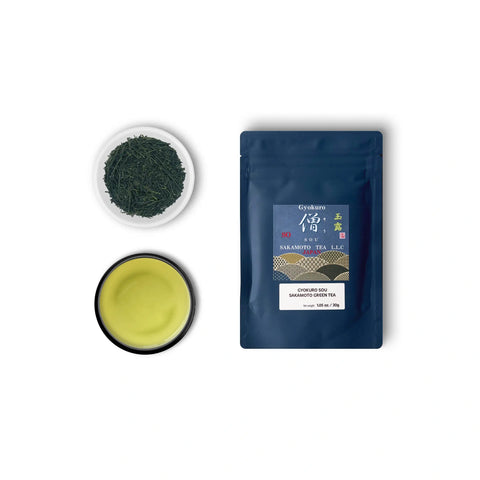
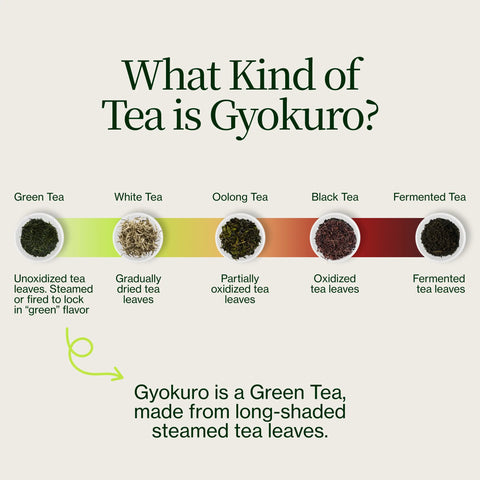
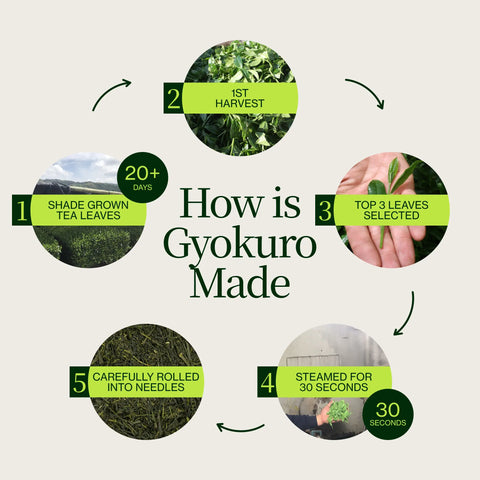
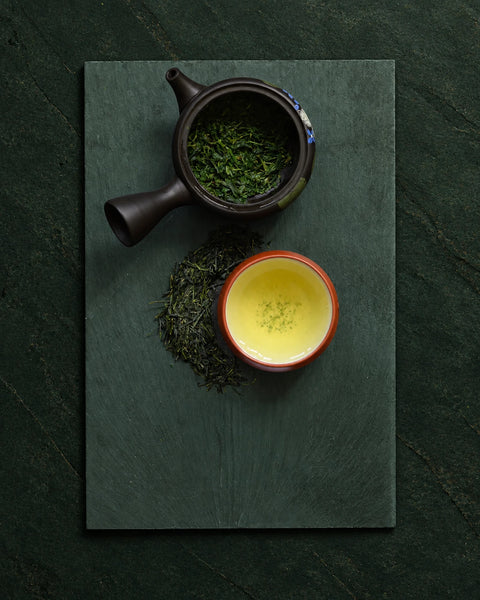
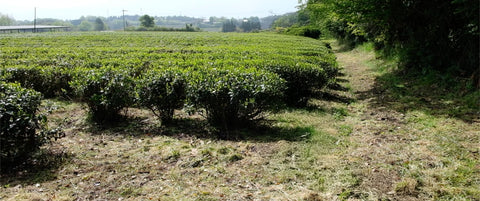
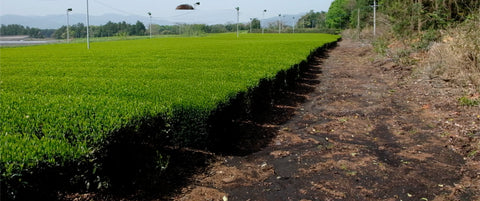
Gyokuro is grown in the dark. For around three weeks before harvest the bushes are covered with reed screens or black netting, cutting out most of the sunlight and leaving the plant with more theanine and fewer catechins. The result is Japan's sweetest, most savoury leaf tea: thick, almost broth-like, with a deep marine umami and very little bitterness. It has to be brewed accordingly — a generous amount of leaf, a small volume of water at a low temperature, and a patient steep. Treated that way it is less a refreshing drink than a concentrated one, and the later infusions, brewed hotter, open it back up.
Rzemieślnik herbaty: Panie SakamotoKagoshima
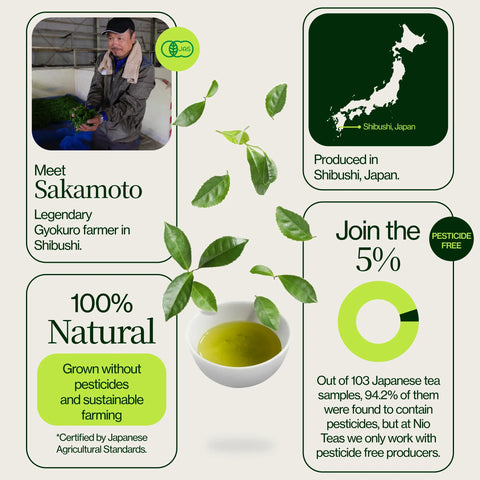
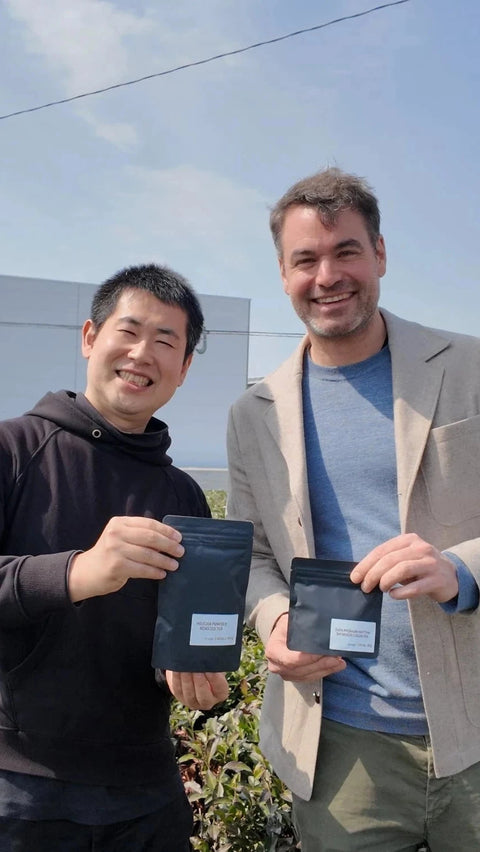
Ten Gyokuro Sou Sakamoto jest produkowany w Shibushi , Kagoshima, region obdarzony żyznymi glebami wulkanicznymi i czystym powietrzem. To właśnie tutaj Mr. Sakamoto doskonalił swoje rzemiosło przez dekady, stając się jednym z najbardziej szanowanych japońskich pionierów w produkcji organicznego gyokuro .
Odrzucając skróty i inwestując w naturalne wzbogacanie gleby, uprawia krzewy herbaciane, które rozwijają się bez użycia chemikaliów. Jego zaangażowanie owocuje herbatami, które nie tylko smakują wyjątkowo, ale także chronią zdrowie ziemi i ekosystemu.
Z Gyokuro Sou Sakamoto, poczujesz coś więcej niż tylko herbatę, poczujesz rezultaty całego życia poświęconego innowacji, trosce i szacunkowi dla natury.
Pochodzenie: ShibushiJaponia
Ten Gyokuro Sou Sakamotopochodzi z żyznych gleb wulkanicznychShibushi w Kagoshima, region słynący z produkcji najsłodszych i najbogatszych japońskich herbat gyokuro . Sou została zaprojektowana przez Mr. Sakamoto , aby podkreślić głębię i wielowarstwową złożoność, co jest możliwe dzięki subtropikalnemu klimatowi i bogatej w składniki odżywcze glebie tego regionu.
Odmiana: SaemidoriOdmiana herbaty
Saemidori: Saemidori to ceniona odmiana w Japonii, ceniona za swój naturalnie gładki i słodki smak. Wytwarza intensywnie zielony miąższ i delikatny smak umami, który jest mniej cierpki w porównaniu z innymi odmianami. Rolnicy cenią Saemidori za wczesny zbiór, który pozwala im zebrać pierwsze pokłady składników odżywczych w szczycie wiosny. W przypadku gyokuro , odmiana ta zapewnia orzeźwiającą słodycz w połączeniu z subtelną nutą morską, dzięki czemu doskonale nadaje się do uprawy w zacienionych miejscach.
Przygotowanie i podanieDo 18 filiżanek
Gorący napój: 5 g liści, 150 ml wody o temperaturze 60°C (140°F), 2 minuty.
Zaparz to jeszcze raz: Z tych samych liści można zaparzyć 3 razy. Zaparzaj jeszcze 2 razy w tej samej temperaturze, po 30 sekund za każdym razem; każdy napar smakuje trochę inaczej.
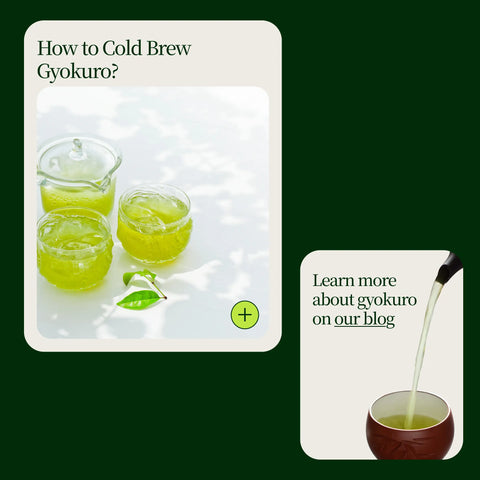
Cold brew: Dla orzeźwienia, Gyokuro Sou Sakamoto doskonale sprawdza się również jako cold brew. Zaparz 5–10 g liści w 500 ml chłodnej wody przez 3–6 godzin i ciesz się gładkim, słodkim i chłodzącym naparem.
Jedno opakowanie: Do 18 filiżanek · 6 porcji po 5 g, 3 napary każda · 30 g / 1,1 uncji.
Dlaczego warto wybrać Nio Teas ?
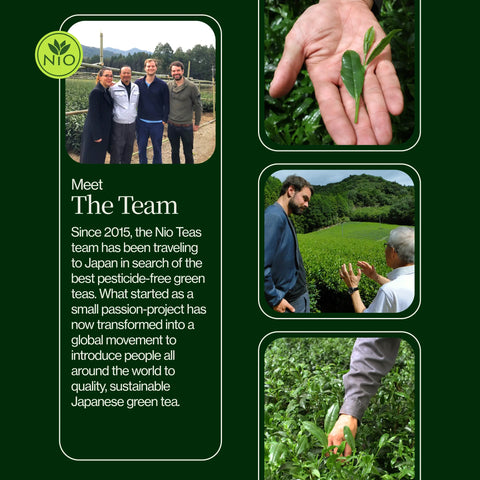
Dla nas herbata to coś więcej niż napój – to styl życia. Od lat odwiedzamy plantacje herbaty w całej Japonii, degustujemy herbaty z ludźmi, którzy je uprawiają i budujemy trwałe, bezpośrednie relacje. Wierzymy, że to najbardziej zrównoważony sposób pozyskiwania herbaty: mniej pośredników, większa identyfikowalność i bliższy kontakt między plantatorem a konsumentem.
Każda herbata jest w 100% wolna od pestycydów i starannie wyselekcjonowana pod kątem smaku, pochodzenia i kunsztu. Niezależnie od tego, czy odkrywasz japońską herbatę, czy porównujesz odmiany i terroir, znajdziesz rzetelne notatki degustacyjne, precyzyjne wskazówki dotyczące parzenia i prawdziwe wsparcie, które pomogą Ci wydobyć to, co najlepsze z każdej filiżanki.
Typowe wartości na 100 ml zaparzonej herbaty, według Standardowych Tabeli Składu Żywności w Japonii (MEXT, wydanie 8), napar gyokuro (nr produktu 16034; 10 g liści, 60 ml wody o temperaturze 60°C, 2,5 min). Wartości w filiżance różnią się w zależności od liści, wody i czasu parzenia.
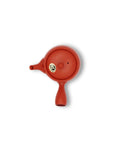
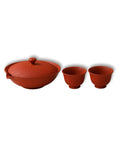
Uzupełnij swój rytuał herbacianyNo Kyusu or Shiboridashi at home? No problem!
100% bez pestycydówProsto od rolnikówCzysty i niemieszanyTerroir o pojedynczym pochodzeniuZbiory w małych partiachAutentyczne japońskie rzemiosło
Unveiling Gyokuro's Superfood Power
•
Kofeina
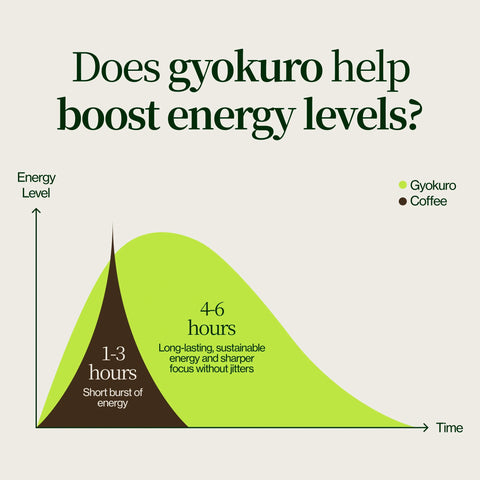
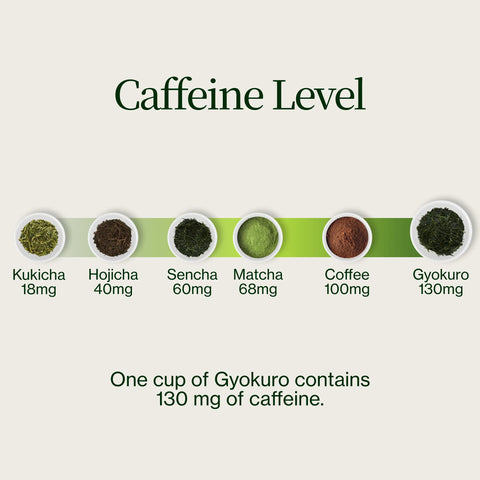
Naturalna kofeina zapewniająca delikatne i długotrwałe pobudzenie.
•
Antyoksydanty
Bogate w katechiny i inne naturalnie występujące przeciwutleniacze.
•
Chlorofil
matcha jest naturalnie bogata w chlorofil, pigment nadający jej żywy zielony kolor.
•
Potas i wapń
Naturalnie występujące minerały, które wpływają na profil odżywczy matcha .
•
L -teanina
Aminokwas naturalnie występujący w herbacie, powodujący uczucie spokoju i skupienia.
•
Witaminy A, C, E i K
Zawiera szereg witamin, które naturalnie występują w całych liściach herbaty.
Why Buy Your Gyokuro from Nio Teas
Bez pośredników, bez pestycydów, bez ryzyka.
30-dniowa gwarancja satysfakcji
Wypróbuj bez obaw. Jeśli nie będzie to dla Ciebie odpowiednie, skontaktuj się z nami w ciągu 30 dni.
15 japońskich plantatorów herbaty
Nasza herbata to efekt połączenia rzemiosła i wiedzy regionalnej 15 współpracujących rolników z całej Japonii.
Prosto od rolnika do kubka
Budujemy długotrwałe relacje z naszymi rolnikami, ograniczając liczbę pośredników i zapewniając większą identyfikowalność produktów.
100% bez pestycydów Gyokuro
Every Gyokuro is grown without pesticides, then personally tasted and selected by our team.
How to Make Gyokuro Like a Pro
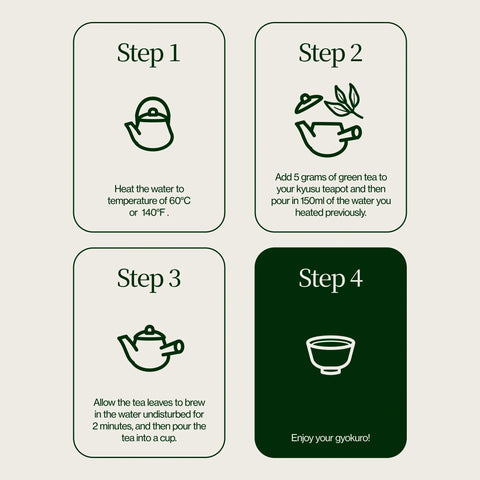
Gyokuro najlepiej smakuje z niższą temperaturą wody i dłuższym czasem parzenia, dzięki czemu jego słodycz i umami mogą ujawnić się bez goryczki.
Heat the Water
Podgrzej wodę do temperatury 60°C (140°F).
Add the Leaves
Dodaj 5 g liści do kyusu lub shiboridashi .
Steep
Zalać 150 ml wody i parzyć przez 2 minuty.
Pour & Brew Again
Wylej całą kroplę, a następnie zaparz te same liście jeszcze 2 razy (po 30 sekund).
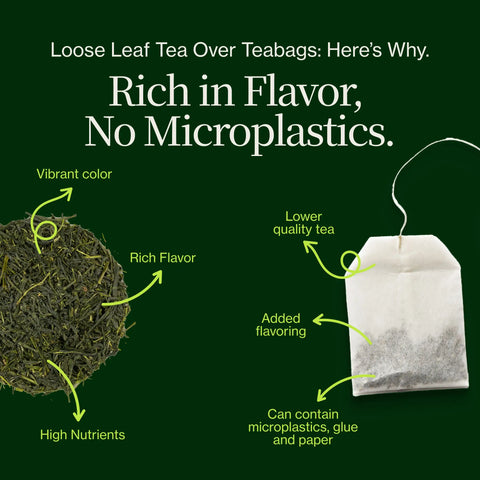
Herbata liściasta w torebkach
Bogate w smak, bez mikroplastiku.
Legendary organic tea farmer in Shibushi.
Rolnik: Sakamotoさん
Mr. Sakamoto is a legendary organic green tea farmer in Shibushi, Kagoshima. Over decades in the tea industry he has found a sustainable way to make flavourful gyokuro and matcha without pesticides or chemicals, using an organic fertiliser he developed himself from organic compost and a sedimentary rock mulch.
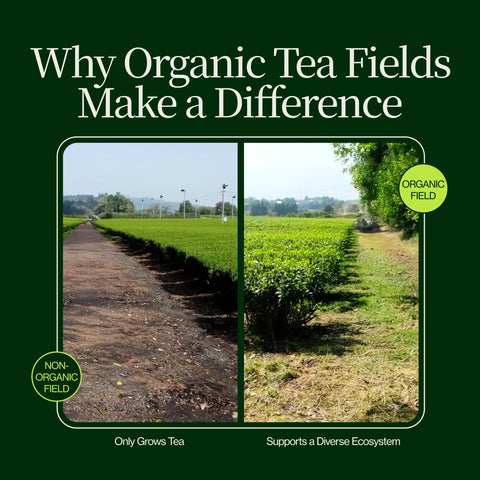
Why Organic Gyokuro Fields Make a Difference
Rośliny herbaciane pobierają wszystko z gleby, dlatego uprawa bez pestycydów jest szczególnie ważna. Rolnicy, z którymi współpracujemy, znaleźli sposób na uprawę pysznej herbaty bez szkody dla naturalnego ekosystemu.
Nio teas to moje ulubione miejsce, gdzie kupuję wysokiej jakości herbaty od jakiegoś czasu i nigdy mnie nie zawiodły. Ich herbaty są doskonałej jakości, jednak chciałbym zwrócić większą uwagę na obsługę klienta – zespół Nio był bardzo miły i pomocny za każdym razem, gdy miałem jakikolwiek problem. Ich obsługa klienta nigdy mnie nie zawodzi, są bardzo uważni i szybko odpowiadają na wszelkie pytania, dlatego jestem ich lojalnym klientem od dłuższego czasu.
1 kwietnia 2026 r.
5 out of 5 stars
5/5
Sean
Mój ulubiony dostawca japońskich organicznych zielonych herbat liściastych. Pozyskują jedne z najlepszych herbat organicznych z Japonii, wspierając rodzinne gospodarstwa rolne i cały rozwijający się przemysł herbaty ekologicznej. Zamawiam od każdego dostawcy od lat i Nio niezmiennie oferuje najlepsze ceny i szeroki wybór. Zapewniają obsługę klienta na najwyższym poziomie i szybką wysyłkę. Gorąco polecam 🍃
Shipping is free once your order passes the threshold for your country — USD 54.99 · EUR 54.99 · GBP 44.99 · CHF 49.99 · CAD 74.99 · DKK 399 · SEK 599 · PLN 229 · CZK 1,290. Everywhere else it's the equivalent of USD 54.99, converted automatically. Below the threshold a flat rate applies, always shown at checkout before you pay.
We ship from warehouses in the US, the EU and Japan — whichever is closest to you. US and EU orders arrive in 4–12 business days; the handful of countries served from Japan take around 10. Business days count from dispatch rather than from when you order, and exclude weekends and public holidays. You'll get a tracking number by email the moment your parcel leaves the warehouse.
We only buy from fields grown without pesticides or chemicals. We ask each farmer directly how they manage their land, visit the plantation and processing facility ourselves, taste every harvest before committing, and check that the biodiversity around the fields is alive. Small family farms don't always carry paperwork — so we verify it in person instead.
Japanese green tea covers an enormous range, and choosing online isn't easy. If you've tried yours and it isn't for you, email info@nioteas.com within 30 days with your order number and a line on what you didn't enjoy. We'll send a different tea of equal or lower value, free. Nothing to post back — keep it, share it, or try brewing it cooler. Once per order.
Email info@nioteas.com within 30 days with your order number and a photo. We'll approve it, cover the return postage with a prepaid label or a reimbursement, and refund you — no restocking fee. Refunds go to your original payment method within 2 business days of the return reaching us; your bank may take another 5–20 to show it.
Unopened items in their original packaging can be returned within 30 days. Tea is sealed for hygiene, so opened packs can't come back — but the swap above covers exactly that situation. Return postage is yours unless the item arrived damaged, defective or incorrect.
Orders to the US and EU ship domestically from our local warehouse, so there's no customs charge and no duty. A small number of destinations are served from our Japan warehouse, where your own customs authority may apply import duty, VAT or a carrier handling fee on delivery. Those are set by your country, not by us. Ask before you order and we'll help you check.
I must admit: for the price point, I would never have tried this tea except for the fact that I got it for free as part of the anniversary sale. Nearly $50 for 30 grams of tea is a bit out of my price range. As such, this will become a special occasion tea for me, since gyokuros can be aged longer than senchas.
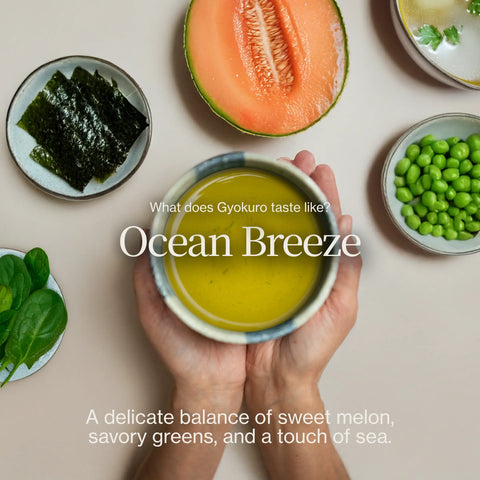
The aroma is deceptively mild, with classic sencha notes of steamed vegetables, but also hints of corn and sweet cream just under the surface. This isn't an extremely aromatic tea, but compensates for that by giving enjoyable complexity in the flavor.
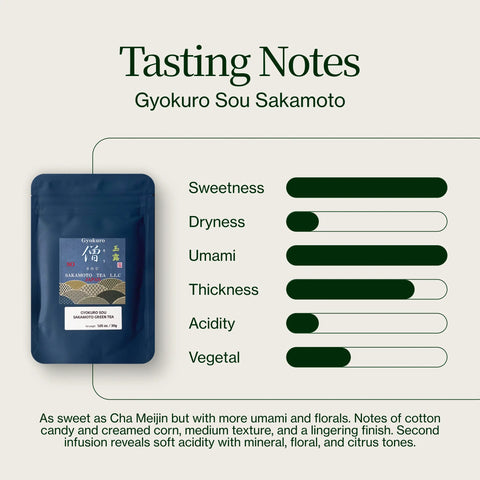
When you take your first sip, the mouthfeel gives some minerality and a thick, brothy texture that coats the tongue. It greets you with a brisk umami and a very mild bitterness that quickly fades into floral sweetness with a hint of sweet corn, then lingers as a mild rocky mineral aftertaste with recurring hints of vegetal umami. And when I say that aftertaste lingers, it REALLY lingers. I was still tasting it a solid 10 minutes after my first cup, and the aroma remained even longer, which is insane, I've never had a Japanese tea linger that long.
I highly recommend not only brewing this tea at very cool temperatures (as gyokuro should be), but I also recommend using much less water than usual as well. This allows the tea to have that stronger, syrupy texture and bold flavor.
If I had to compare it to anything, I'd say it's like a more umami version of the Cha Meijin, if you've been a Nio Teas customer for a while. My only real complaint is the price point. Again, $50 for 30 grams of tea is a bit on the excessive side. I understand gyokuros are more labor-intensive and are carefully blended, but in this economy, not too many people are going to be able to truly afford that price. If it were $40 or less, I could see myself repeat-buying because it's otherwise a very solid tea.
I’ve never had proper Japanese green tea before. Nio Teas has been a wonderful introduction. They added this Gyokuro as a gift and it really is something unique. It’s one of those things in life that keeps your attention because there is so much to explore every time you experience it. I enjoy those moments. Thanks guys!
Un te exquisito. Es de los más umamis que he probado. El sabor es intenso, delicado y con múltiples capas. De mis tés verdes favoritos, junto con el fukamushi sencha.
It isn’t anything you need to improve. I didn’t like the flavor. I guess I didn’t understand the flavor profile I studied your different teas for at least 3 months to get a better grasp of what I might want. This is all new to me. My first order of any green teas. I haven’t been able to give it a second chance. The taste didn’t agree with me! I will give it another chance. Too expensive not to try to acquire a taste for it. I thought since this was a more expensive tea it would have a better taste lol. I like the roasted Hojicha so much better!
When your samplers are back in stock I would love to try other flavors!
The first steeping could not have tasted better; perhaps my favorite green tea. However, the second steeping did not exceed the second steepings of other, less extraordinary teas.